
RoosterRumble: The PH Popular Phenomenon
Dive into RoosterRumble, the thrilling game taking the Philippines by storm, with an in-depth look at its description, introduction, rules, and its impact on current events.


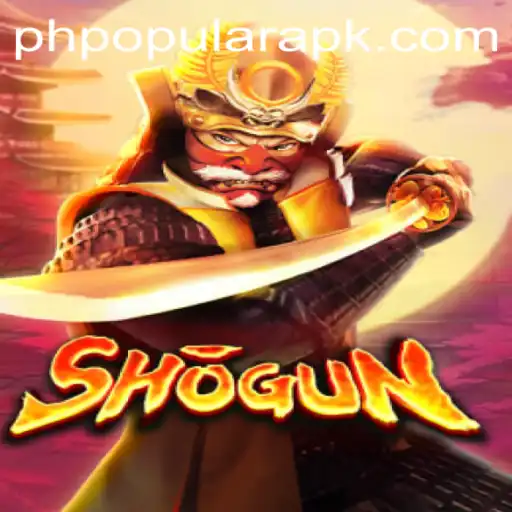
Shogun is more than just a tactical board game; it's an immersive experience that transports its players to the ancient era of feudal Japan. With its rich historical context and strategic depth, Shogun has captivated players worldwide, especially experiencing significant popularity in the Philippines, known as the PH POPULAR phenomenon.
Originally inspired by the historical conflicts during Japan's Sengoku period, Shogun offers players the opportunity to step into the shoes of a daimyo—one of the powerful lords. The objective is to strategically manage resources, expand territories, and engage in battles to unify the land under their command, eventually obtaining the title of Shogun.
The game deftly combines strategic territory control with resource management, requiring players to think several steps ahead, akin to the classical game of chess.Play Tok
The gameplay of Shogun is centered around a detailed map of Japan, divided into various provinces. Players are tasked with expanding their territories while managing their existing lands efficiently. Each decision impacts the momentum of the game, making foresight and strategic planning critical to success.
A unique feature of Shogun is its cube tower, used to resolve combat between players. This tower ensures that outcomes are unpredictable, adding an extra layer of excitement and suspense to each encounter. The cubes tossed into the tower represent troops, and the results determine the winner of the battle, introducing an element of chance that players must strategically mitigate.PHP VIP
The game begins with each player taking control of a certain number of provinces based on the total number of players. Each province generates resources—rice, coins, and troops—that fuel the expansion and power of a player's realm.
Players start by drawing province cards to determine where their starting provinces will be located. This initial setup is pivotal as it shapes the strategic possibilities available throughout the game.jili scatt
Resource management is one of the key aspects of Shogun. Players must balance their need to expand with the necessity of maintaining stability within their territory. Coins and rice are essential for troop management and preventing uprisings, respectively.63 FUN
During the harvest phase, players collect resources from their provinces. However, should a province be taxed too heavily, it may lead to discontent and potential revolts, adding a layer of complexity to decision-making processes.KW ARTA GO
Successfully expanding one's territory is crucial but must be approached with caution and strategy. The movement and attack phases require players to assess the strength of their armies and the defenses of neighboring provinces. Clever use of resources and troops can tip the balance in favor of astute players.
The outcome of battles—decided through the aforementioned cube tower—introduces an intrinsic unpredictability. Players must keep in mind the risk involved in each conflict, as the loss of troops could be detrimental.
The ultimate goal in Shogun is to unify feudal Japan, claiming the title of Shogun by accumulating the highest points through provincial control and strategic victories. At the end of the game, players evaluate their final holdings and successes to determine who has become the supreme ruler.
Shogun's rise in popularity in the Philippines is a testament to the game's universal appeal. The Filipino gaming community appreciates the complex interplay of strategy and tactical warfare presented by Shogun, mirroring elements of their own historical narratives and keen interest in strategic games.
Moreover, social hobby groups across the Philippines have embraced Shogun as a staple in their gaming repertoire, further fueling its popularity. The mixture of camaraderie, competition, and historical intrigue makes it especially appealing to a wide range of audiences.
In conclusion, Shogun continues to captivate players, offering a rich tapestry of strategy, history, and chance. Its enduring legacy in the board game world speaks to its complex design and the engaging challenge it presents to those who dare to wield power in feudal Japan.
If you're looking for a reliable, fully licensed, and secure sportsbook with a wide selection of games, PH POPULAR is the perfect choice. We're committed to providing you with the best online betting experience, with premium quality, excellent service, and continuous innovation. Sign up now and receive ₱777 for free!
Join now
Get the latest information, experience and betting strategies from the expert team at PH POPULAR.
Dive into RoosterRumble, the thrilling game taking the Philippines by storm, with an in-depth look at its description, introduction, rules, and its impact on current events.
Discover the captivating world of LegendofPerseus, a game that weaves Greek mythology into an engaging adventure.

Delve into VolcanoRisingSE, a captivating online game sweeping across the Philippines with its innovative gameplay and immersive volcanic landscapes.

Dive into the exhilarating world of 100BlazingClover, a game that blends tradition with modern excitement, taking the Philippines by storm.

Dive into the exciting world of 4potsriches, a game captivating audiences across the Philippines and beyond. Explore its unique features and understand why it has become a sensation.

Discover PearlOcean, the new game captivating audiences in the Philippines with its immersive gameplay, unique rules, and engaging features.
 Join now